The Fundamentals of Teeth Whitening

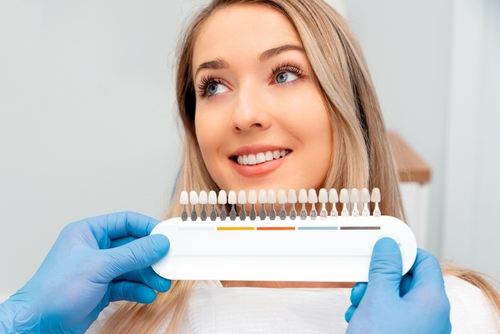
Teeth whitening has become one of the most popular cosmetic dentistry procedures, offering individuals a chance to enhance their appearance with brighter, more radiant smiles. Over time, teeth naturally lose their whiteness due to aging, dietary habits, and lifestyle choices. Teeth whitening treatments provide an effective solution for reversing discoloration and restoring confidence. Whether performed professionally or at home, understanding the options, benefits, and potential risks of teeth whitening is essential for making informed decisions about your oral health.
Tooth discoloration often results from consuming staining substances like coffee, tea, red wine, and tobacco. Aging, certain medications, and poor oral hygiene can also contribute to yellowing or darkening teeth. While daily brushing and flossing help maintain oral health, they may not eliminate deep stains embedded in the enamel. This is where whitening treatments can make a difference.

Professional Teeth Whitening

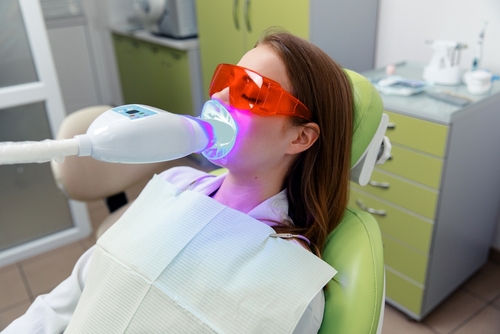
Professional teeth whitening, typically done at a dental office, is one of the fastest and most effective ways to achieve noticeable results. Dentists use high-concentration bleaching agents, such as hydrogen peroxide or carbamide peroxide, to break down stains. A protective gel or barrier is first applied to the gums to shield them from irritation. In some cases, a specialized light or laser activates the whitening agent, speeding up the process. Professional treatments can lighten teeth by several shades in just one session, making them an ideal choice for those seeking immediate results.

Custom-fitted trays for At-Home Whitening

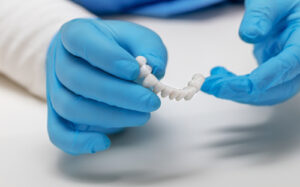
For individuals who prefer the convenience of at-home whitening, custom-fitted trays provided by a dentist at Promenade Center for Dentistry offer a reliable solution. These trays ensure even application of the whitening gel to the teeth. Typically worn for a few hours each day or overnight, the treatment lasts one to two weeks, delivering professional-quality results over time.

Over-the-Counter Whitening Options

Over-the-counter products like whitening strips, toothpaste, gels, and rinses are more affordable alternatives. However, they often contain lower concentrations of active ingredients, leading to slower and less dramatic results. While suitable for mild surface stains, these options may not effectively address deeper discoloration.

Important Considerations

While teeth whitening is generally safe when used as directed, overuse can lead to tooth sensitivity or gum irritation. Individuals with dental issues such as cavities, gum disease, or enamel erosion should consult their dentist before beginning any whitening treatment to avoid complications. Pregnant or nursing women are also advised to delay whitening procedures as a precaution.

Maintaining Whitening Results

Lifestyle habits and oral hygiene significantly impact how long whitening results last. To maintain a bright smile, limit foods and drinks that stain teeth, brush and floss daily, and schedule regular dental cleanings. Using a straw for beverages like coffee or tea can minimize contact with teeth, reducing the risk of discoloration. Touch-up treatments may be necessary for individuals prone to staining.

Beyond Aesthetics

Teeth whitening enhances not only physical appearance but also self-confidence, leaving a lasting impression in personal and professional interactions. Bright, white smiles are often associated with health, youth, and vitality. However, it’s important to set realistic expectations. Whitening treatments can significantly improve tooth color but may not create uniform results, especially for individuals with natural stains or dental restorations like crowns or veneers, which are resistant to whitening agents.

Conclusion

Teeth whitening is a safe and effective way to enhance your smile’s natural beauty. With options ranging from professional in-office treatments to at-home solutions and over-the-counter products, there’s a method to suit every preference and budget. By understanding the process, maintaining good oral hygiene, and taking necessary precautions, you can enjoy a brighter, more confident smile for years to come. Consult your dentist to determine the best teeth-whitening option for your needs and achieve the results you desire.

Sleep Apnea: Signs, Symptoms, and Solutions

The severe sleep problem known as sleep apnea is characterized by frequent breathing pauses while you’re asleep. These disruptions may happen hundreds or even thousands of times a night, lasting anything from a few seconds to many minutes. Obstructive sleep apnea (OSA), the most prevalent kind, is caused by the throat muscles relaxing excessively when a person is asleep, blocking their airway. A different kind called central sleep apnea happens when the brain does not communicate with the breathing muscles in a proper manner. Combining central and obstructive sleep apnea, complicated sleep apnea syndrome is a less common kind.

Since sleep apnea symptoms frequently appear during sleep, many persons with the condition are unaware that they have it. Loud snoring, gasping for air as you sleep, and excessive daytime tiredness are common symptoms. Additional signs and symptoms could be impatience, mood swings, difficulty concentrating, and a decrease in libido. Sleep apnea in kids can cause behavioral problems, learning challenges, and developmental impairments.

Although anyone can have sleep apnea, there are some risk factors that make the disorder more likely to develop. One of the main risk factors is obesity since being overweight might result in fatty deposits around the neck that impede breathing. Another factor is age; older persons are more likely to have sleep apnea. In addition, men are more likely than women to develop sleep apnea, however women are more at risk after menopause. Family history, smoking, drinking alcohol, and having certain medical problems including diabetes and hypertension are additional factors.

A thorough assessment, which may include a review of medical history, symptoms, and maybe a sleep study, is usually required to diagnose sleep apnea. A polysomnography, also known as a sleep study, is a type of recording that is done at home or in a sleep lab. It captures a variety of bodily activities that occur during sleep, such as heart rate, breathing patterns, brain activity, and eye movement. This information aids in assessing the degree of sleep apnea and the best course of treatment.

The severity of the problem and its underlying causes influence the course of treatment for sleep apnea. For many people, changing their lifestyle can drastically reduce their symptoms. Apneic episodes can be less frequent and less severe if weight loss, quitting smoking, abstinence from alcohol, and use of sedatives are implemented. Another important factor in sleep is posture; it’s usually advised to sleep on one’s side rather than on one’s back because this can worsen sleep apnea.

Continuous positive airway pressure, sometimes known as CPAP therapy, is a popular and successful treatment for those with moderate to severe sleep apnea. During sleep, a continuous flow of air is delivered by a CPAP machine through a mask to maintain an open airway. Despite its great effectiveness, some people may find continuous positive airway pressure (CPAP) uncomfortable or difficult to get used to using every night. In certain circumstances, surgery may be required to remove extra tissue from the throat or to rectify structural irregularities in the airway. Other treatments include the use of oral appliances, which reposition the jaw and tongue to maintain the airway open.

A number of lifestyle modifications can supplement medical therapies and improve general health. Frequent exercise can enhance sleep quality and help with weight management. Improved sleep hygiene can also be facilitated by setting up a regular sleep schedule, developing a calming nighttime ritual, and making sure the sleeping environment is comfortable. Short naps or taking frequent breaks during the day can help reduce fatigue for people who struggle with daytime sleepiness.

If sleep apnea is not addressed, it may have detrimental effects on one’s health. It is linked to a higher risk of diabetes, high blood pressure, heart disease, stroke, and other chronic illnesses. Furthermore, persistent exhaustion brought on by sleep disturbances can impede cognitive abilities and raise the chance of accidents, especially when operating machinery or driving. Because people with sleep apnea may have greater rates of anxiety, depression, and mood disorders, there is also a noticeable link between the illness and mental health.

In order to diagnose and treat sleep apnea early on, awareness-building is crucial. Many ignore their symptoms, blaming them on aging or stress, but it’s important to understand that sleep apnea is a medical problem that has to be treated. It’s critical to get an evaluation from a healthcare provider if you think you or someone you know might have sleep apnea. Set your free consultation here – montaguedentalexcellence.com

In summary, sleep apnea is a common but frequently undiagnosed condition that can have a serious negative influence on a person’s health and quality of life. Many people can effectively control their symptoms and have healthier lives with the right diagnosis and treatment. For those who are at risk, it is essential to recognize the symptoms and risk factors of sleep apnea because prompt treatment can avert major consequences and enhance general health. Better sleep, more energy, and a more satisfying life can result from treating sleep apnea, whether through CPAP therapy, lifestyle modifications, or other therapies.

Why Dental Implants Are Worth It

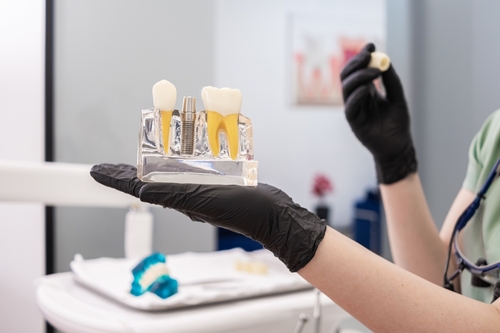
For those who are lacking teeth, dental implants are a game-changer because they provide a long-lasting, aesthetically pleasing substitute for bridges and dentures. Dental implants are surgically inserted into the jawbone to create a strong foundation for replacement teeth. Titanium is the material used to make the implants, and it is well known for its strength and capacity to fuse with human bone. Getting dental implants is a multi-step process that is necessary for the implant’s proper osseointegration—the joining of the implant with the jawbone.

An examination by a dentist is the initial stage in the dental implant procedure. Dental implants are not suitable for everyone since a number of variables, including bone density, gum health, and general oral hygiene, affect how well the implant functions. In order to repair the jawbone in preparation for the treatment, a bone transplant can be required if it is not dense enough to support the implant. By doing this initial step, the implant will have a strong base for stability throughout time.

The implant is surgically placed after the patient is judged to be a good candidate. After exposing the bone through a gum incision, the oral surgeon or Fairfax dentist drills a tiny hole to accommodate the titanium post. This post firmly anchors the replacement tooth in the jaw by serving as its root. Osseointegration, the process by which the implant and bone merge over the course of several months, creates a sturdy foundation akin to a real tooth root. This procedure is essential to the implant’s long-term success but may take several months, contingent on the patient’s rate of healing and bone quality.

The abutment, a tiny connecting component that rests above the gum line, must be attached once the implant has completely fused with the jawbone. The crown, or the portion of the tooth that is visible, can be attached to the abutment. To ensure a seamless and natural appearance, crowns are manufactured to order to match the patient’s original teeth in terms of size, shape, and color. While the permanent crown is being made at a dental lab, temporary crowns may occasionally be inserted.

The permanent crown is attached as the last stage of the dental implant procedure. Following crown placement, the dental implant performs indistinguishably from a normal tooth. With confidence, patients may chew, speak, and smile knowing that their dentures won’t move or hurt them. Dental implants are incredibly strong and long-lasting with the right maintenance.

The potential of dental implants to stop bone loss is one of its biggest benefits. The jawbone starts to degenerate when a tooth is lost since it isn’t getting the stimulation that a tooth root provides. By preserving facial structure, halting more bone loss, and stimulating the bone, dental implants function similarly to natural teeth. This is especially crucial for those who have experienced multiple tooth loss because it can cause the look of sunken or aging.

Dental implants have many advantages above just preserving bone. Dental implants are locked in place and do not move, in contrast to dentures, which occasionally slip or cause trouble when eating or speaking. A greater degree of comfort and stability are offered by this. Additionally, unlike bridges, which frequently need the surrounding teeth to be altered, implants do not require this. Consequently, they aid in preserving the structural integrity of the neighboring teeth and avert future dental issues.

Maintaining dental implants is comparable to maintaining natural teeth. Maintaining the health of the gums and surrounding tissues requires regular brushing, flossing, and dental examinations. Even though dental implants are resistant to deterioration, if adequate oral hygiene is not maintained, the gums surrounding them may still become infected. Implant failure can result from periodontal disease if the bone supporting the implant is weakened. For this reason, regular dental checkups and good oral hygiene are essential to the implant’s longevity.

Even though dental implants have many advantages, not everyone may benefit from them. Individuals who smoke or have long-term medical illnesses like diabetes may be more susceptible to complications since these disorders can slow healing and raise the risk of infection. Furthermore, dental implants are more expensive than alternative tooth replacement methods. But in the long run, implants are frequently a more economical option because to their longevity and long-term advantages.

In summary, dental implants are a game-changer for those who are missing teeth because they offer a long-lasting, aesthetically pleasing, and practical replacement. A meticulous examination, surgical implantation of a titanium post, osseointegration, and the affixation of a custom-made crown are all part of the process. Dental implants can last a lifetime and stop the bone loss that comes with losing teeth if they are maintained properly. Dental implants are a fantastic alternative for anyone looking for a long-term tooth replacement because of their enhanced comfort, appearance, and oral health, even though the initial cost may be more.

The Benefits of Sedation Dentistry

For people who are afraid or anxious about going to the dentist, sedation dentistry, sometimes referred to as sleep dentistry, is a useful technique. Dental procedures often cause anxiety in patients, which causes them to postpone or forego necessary treatments. In order to ensure that patients can endure necessary treatments with the least amount of discomfort and stress, sedation dentistry creates a quiet and relaxed environment. People who have dental anxiety, a sensitive gag reflex, have trouble staying still for extended periods of time, or are afraid of needles and dental devices should especially benefit from it. Dentists can provide a comfortable and controlled process for their patients by employing sedatives.

Depending on the patient’s requirements and the difficulty of the dental procedure, several sedation degrees can be used. The lightest type of sedation, known as minimal sedation, keeps the patient awake but extremely relaxed. Conscious sedation, sometimes referred to as moderate sedation, keeps the patient awake but makes them less aware of what is happening. After the operation, they might not recall much of it. The patient is in a profound state of relaxation during deep sedation, which puts them on the verge of consciousness. They can still be roused. The strongest type of sedation, general anesthesia, knocks the patient out completely while the surgery is being done.

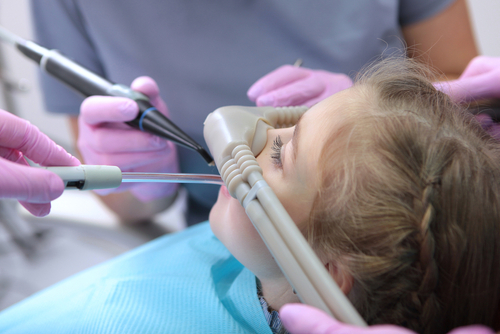
Depending on the dosage required, several sedation administration techniques are used. One of the most popular techniques is inhaled mild sedation, also known as laughing gas. The patient wears a mask over their nose to breathe in nitrous oxide and oxygen. After the operation, the patient can resume their regular activities without any lasting effects because this type of sedation wears off rapidly and helps the patient relax. For individuals who require some light relaxation but do not wish to be completely sedated, nitrous oxide is frequently employed. In order to maintain the patient’s comfort during the process, the dentist might modify the amount of sedation.

When using oral sedation, the patient takes a medication, usually one hour before the surgery. The degree of sedation caused by the medicine can vary, according on the dosage. Despite possibly feeling comfortable and sleepy, this type of sedation enables the patient to remain conscious throughout the process. For patients who prefer more than minimal sedation but find needles or intravenous sedation uncomfortable, oral sedation is a great option. It’s crucial to remember that oral sedation takes time to take effect, so patients need to make plans for getting to and from their dentist appointment.

Intravenous sedation, or IV sedation, is a more profound form of sedative that is given through a vein. It is fast acting and gives the dentist complete control over the level of sedation during the procedure. IV sedation is generally saved for people who are extremely anxious about their teeth or for more involved treatments. Reduced awareness of the operation due to a deeper state of relaxation helps reduce discomfort and anxiety in the patient. Patients undergoing IV sedation require a driver to accompany them home because the effects wear off more slowly than with little sedation.

When alternative sedatives are not enough to control a patient’s discomfort or anxiety, general anesthesia—the deepest kind of sedation—is typically utilized for lengthy dental procedures. When under general anesthesia, the patient is rendered entirely unconscious and won’t remember anything about the surgery. To guarantee patient safety while under this kind of sedation, close attention to the patient’s vital signs must be maintained throughout the process. It is frequently used for people with specific requirements who might have difficulty receiving traditional dental procedures, or for oral surgery such as the extraction of wisdom teeth.

Many benefits arise from sedation dentistry, particularly for people who are anxious or fearful of the dentist. By reducing anxiety and promoting relaxation in the dentist chair, it can help make even the most difficult dental procedures more tolerable. Additionally, the patient needs fewer dental appointments as anesthesia makes it possible for the dentist to do several operations in a single session. Sedation makes it possible for people to receive vital care without feeling pain or discomfort, especially for those who have sensitive teeth and gums or find it difficult to sit still for long.

But there are hazards associated with sedation dentistry. Patients are required to give their dentist their whole medical history, including a list of all the medications they are currently taking. Prior to giving out sedatives, the dentist must make sure that you are not using any medications or health problems that might interact with sedation. Furthermore, there is a slight chance of adverse effects like nausea, headaches, or allergic responses, even though sedation administered by a licensed dentist is usually safe. To ensure their patients’ safety, dentists regularly monitor them both during and after procedures.

In general, sedation dentistry has changed the way that dental care is provided. For those who, out of discomfort or fear, would ordinarily put off receiving important treatments, it provides an alternative. Dentists may ensure that their patients have a more comfortable and calm experience and can maintain their oral health without needless stress or anxiety by using sedation. Sedation dentistry enables patients to receive the care they require in a peaceful and pain-free setting, regardless of the complexity of the dental procedure or a simple cleaning.

Why Dental Crowns Are a Smart Choice

A typical restorative procedure for weak or broken teeth is a dental crown, which enhances the tooth’s beauty, functioning, and overall health. They are made to completely enclose the visible part of a tooth, giving it back its natural strength and form and shielding it from more harm. Depending on the demands of the patient, dental crowns can be created of a variety of materials, such as porcelain, ceramic, metal, or a mix of materials. Each material has a unique set of advantages.

When a tooth has suffered severe damage—from decay, trauma, or massive fillings that compromise the structural integrity of the tooth—a dental crown is frequently advised. A crown might occasionally be used to preserve a tooth that has had root canal therapy. Furthermore, crowns are frequently used to anchor dental bridges or to replace lost teeth in conjunction with dental implants. Crowns are a highly successful solution for treating a variety of dental issues due to their adaptability.

Usually, obtaining a dental crown requires two trips to the dentist. The dentist will assess the damaged tooth and get it ready for the crown on the initial appointment. To guarantee that the crown fits correctly, any decayed or damaged tooth material must be removed, and the tooth must then be reshaped. The dentist might have to use filler material to strengthen the tooth if there isn’t enough remaining tooth structure to support the crown. After the tooth is prepped, an impression is made of it so that an exact bespoke crown may be made. While the permanent crown is being created, the tooth is covered with a temporary crown.

The temporary crown is taken out and the permanent crown is affixed during the second appointment. In order to make sure the crown fits and bites correctly with the neighboring teeth, the dentist will examine the crown. The crown becomes an indelible component of the patient’s mouth after it is firmly adhered to the tooth. Dental crowns are a long-lasting and aesthetically beautiful solution to a variety of dental issues when taken care of properly. They can last for many years.

Restoring a broken tooth’s appearance and functionality is one of the main advantages of dental crowns. Crowns provide a means for patients with badly worn, chipped, or broken teeth to preserve the remaining tooth structure while also enhancing the appearance of their smile. Contemporary crowns, especially porcelain or ceramic ones, are shaped and colored to closely mimic real teeth, which makes them the perfect option for visible teeth when smiling.

Dental crowns not only improve appearance but also give weak teeth structural support. Large fillings or teeth with significant decay may be more vulnerable to breaking or further deterioration in the absence of supplemental protection. Patients can steer clear of more severe dental issues including infections or the need for extractions by covering the damaged tooth with a crown.

The capacity of dental crowns to improve oral function is an additional benefit. Teeth that are broken or cracked can make chewing uncomfortable or cause the teeth to not line up correctly with the rest of the bite. A properly fitted crown can lessen discomfort or jaw pain brought on by a misaligned bite and assist restore normal chewing function. Furthermore, crowns are frequently utilized to finish dental implant procedures, giving patients a completely functional tooth replacement in place of their lost teeth.

Patients now have more options than ever before thanks to the advancements in dental crown materials over time. Since they seem natural, porcelain and ceramic crowns are a popular alternative for front teeth where aesthetics are very important. These materials are almost identical to genuine teeth since they are made to resemble the hue and translucency of natural enamel. For rear teeth, metal crowns or porcelain-fused-to-metal crowns may be suggested, as strength and longevity are more crucial. These crowns can bear the stresses of grinding and chewing because they have a high wear resistance.

The upkeep of a dental crown is analogous to that of natural teeth. Patients should maintain proper dental hygiene by seeing their dentist for cleanings and checkups on a regular basis, as well as by brushing and flossing twice a day. Although crowns are resistant to decay, cavities and gum disease can still affect the tooth beneath the crown. It’s also critical to break any bad behaviors that can harm the crown, such biting into ice or opening products with your teeth.

To sum up, dental crowns are a flexible and reliable way to fix broken teeth, safeguard compromised tooth structures, and enhance a patient’s smile in general. When taken care of appropriately, crowns—whether constructed of porcelain, ceramic, or metal—offer long-lasting advantages. Dental crowns offer a dependable means for patients with badly worn, damaged, or broken teeth to improve the appearance and functionality of their teeth, giving them the chance to smile more confidently and healthily.

Why Choose Veneers for Your Teeth?

Veneers are a common cosmetic dentistry treatment that improves the color, shape, size, and alignment of teeth to improve their appearance. Veneers are custom-made to fit over the front surface of the teeth, providing a natural and aesthetically acceptable appearance. They are created from thin shells of porcelain or composite resin. Many dental flaws, such as discolored, chipped, misaligned, or irregularly spaced teeth, are frequently addressed with them.

Because of their longevity and capacity to replicate the light-reflecting characteristics of natural teeth, porcelain veneers are quite popular. Because porcelain is stain-resistant, it’s a great option for people who desire a bright, long-lasting smile. Conversely, composite resin veneers are a less expensive choice. Even if they are not as strong as porcelain, they can nevertheless produce fantastic results—especially when used by a dentist with experience. Additionally, composite veneers are easier to fix if they chip or break.

A dentist consultation is usually the first step in the veneer procedure, which consists of multiple procedures. The dentist will inspect your teeth and go over your desired outcomes during this session. To gain a better understanding of your oral structure, they could take X-rays or dental impressions. The next stage, if you qualify, is to get your teeth ready for the veneers. To guarantee that the veneer fits the tooth properly, a tiny bit of enamel must often be removed. Local anesthetic is typically administered to reduce discomfort during this portion of the treatment.

Following the preparation of the teeth, the dentist will take impressions, which are subsequently forwarded to a dental laboratory for the creation of your personalized veneers. A few days to a few weeks may pass during this process, depending on how complicated your case is. Your teeth may be protected in the interim by temporary veneers. Upon completion of the permanent veneers, you will visit the dentist one more time for the final fitting.

The dentist will use a special glue to carefully bond the veneers to your teeth during the fitting appointment. To make sure the veneers feel and look natural, they will inspect the veneers’ fit and color. To get the right look, they could make little alterations after the veneers are bonded, including trimming or polishing the edges. The outcome is a beautiful, faultless smile that enhances your appearance and self-esteem.

Beyond just being attractive on the outside, veneers provide several advantages. They offer a speedy fix for dental issues like crowns and orthodontics that could otherwise call for more involved care. For example, veneers can hide stains that are resistant to whitening procedures, rectify minor misalignments, and seal small gaps between teeth. Furthermore, veneers provide an additional layer of protection by strengthening teeth that are weak or worn down.

Veneers are minimally intrusive, which is one of their main advantages. In contrast to crowns, which necessitate extensive tooth contouring, veneers only require a tiny layer of enamel to be removed. Because veneers preserve your natural tooth structure, they are a more conservative choice for improving your smile. In addition, the surgery is usually painless and requires little recovery time, so patients can quickly resume their normal activities.

Veneers do have certain possible drawbacks, just like any dental procedure. Because only a tiny bit of enamel is removed, there is no turning back from this process. Your teeth will never be completely protected after veneers because they won’t have the natural enamel to shield them. Furthermore, even though porcelain veneers are quite strong, they can still chip or crack if you bite down on something hard or grind your teeth. The lifespan of veneers depends on routine dental examinations and proper oral hygiene habits.

Cost is an additional factor to consider. The cost of veneers, particularly porcelain ones, can be high and varies based on the dentist’s experience level, the location, and the quantity of teeth being treated. Although composite veneers are less expensive than porcelain veneers, they usually break down more quickly and need to be replaced or repaired more frequently.

Veneers are nevertheless a great choice for people who want to rapidly and efficiently alter the appearance of their teeth in spite of these factors. Porcelain veneers are a great purchase for many people because they can last up to 15 years or more with proper care. To keep your veneers in top condition, maintain them by brushing and flossing on a regular basis, avoiding foods and activities that could damage them, and scheduling routine dental exams.

In the end, veneers can completely change your smile and give you the courage to smile broadly. They offer a solution for many different aesthetic dental problems while keeping most of the original tooth structure. With veneers, you can effectively get a beautiful, long-lasting smile, regardless of whether you pick porcelain or composite resin.

Dental Cleaning: How it works

Maintaining dental prophylaxis, often known as teeth cleaning, is essential to oral health. It entails cleaning the surfaces of teeth of plaque, tartar, and stains, particularly in hard-to-reach places for regular brushing and flossing. Plaque is a continuously forming soft, sticky film of bacteria on teeth, whereas tartar, also known as dental calculus, is hardened plaque that can only be removed by a dentist. Both tartar and plaque can cause cavities, gum disease, and other oral health problems if left untreated. Maintaining proper dental hygiene at home and scheduling routine professional teeth cleanings are crucial for averting these issues.

The primary goal of professional tooth cleanings is to stop periodontal disease, commonly referred to as gum disease. A bacterial illness known as gum disease is brought on by plaque and tartar buildup along the gum line. Gum inflammation and bleeding are symptoms of gingivitis, the early stage of gum disease. Gingivitis can progress to periodontitis, a more serious disorder in which the gums pull away from the teeth and create infected pockets, if treatment is not received. Periodontitis can cause tooth loss and bone loss over time. Cleaning your teeth lowers the chance that gum disease may worsen by removing the plaque and tartar that fuel it.

Another important factor in preventing cavities is maintaining clean teeth. Dental caries, often known as cavities, are caused by the acids that bacteria in plaque create eroding the tooth’s enamel, or outer layer. The inner layers of the tooth are more susceptible to decay once the enamel has weakened. If a cavity is left untreated, it may get bigger and deeper until it potentially reaches the tooth’s pulp, where it may cause discomfort or infection. Plaque is removed during routine dental cleanings, halting the formation of cavities before they have a chance to permanently harm teeth.

Cleaning your teeth provides aesthetic benefits in addition to health ones. Red wine, tea, coffee, tobacco, and other foods and beverages can cause teeth discoloration over time. Teeth might appear whiter and more polished after having these surface stains removed by a professional teeth cleaner. Routine cleanings can help maintain a more radiant smile by removing surface discolouration, while they are not the same as a professional whitening procedure.

An examination of the oral cavity usually precedes tooth cleaning. A tiny mirror will be used by the dentist or dental hygienist to look for indications of cavities, gum disease, and other oral health problems. Following the examination, they will use a scaler to start cleaning the areas between and around the teeth as well as the gum line. This process is necessary to avoid gum disease and tooth decay, although it can occasionally be uncomfortable if there is a large buildup of tartar.

Following a thorough scaling procedure, the dentist will polish the teeth using a strong electric brush and grit-filled toothpaste. The teeth are left glossy and smooth after this stage, which also removes any leftover plaque and stains. Because polishing the teeth produces a smoother surface that is more difficult for bacteria to adhere to, it also helps to prevent plaque build-up in the future.

The next stage in the cleaning procedure is flossing. After scaling and polishing, the dentist will use dental floss to clean in between the teeth and remove any leftover dirt or plaque. This particular step is crucial because, although it may be simple to forget, flossing at home is essential for keeping gums healthy and preventing cavities between teeth.

Lastly, the dentist will rinse the mouth to get rid of any last bits of debris. To assist strengthen the enamel and prevent cavities, they could also give the teeth a fluoride treatment. It has been demonstrated that fluoride, a naturally occurring mineral, lowers the risk of tooth decay by strengthening the enamel’s defense against acid attacks from plaque-causing bacteria.

It’s crucial to keep in mind that while getting your teeth professionally cleaned is necessary to preserve your oral health, it cannot take the place of practicing excellent oral hygiene at home. The two most important things you can do to keep your teeth and gums healthy in between dental appointments are to brush and floss your teeth twice a day with fluoride toothpaste. In addition to using mouthwash and drinking lots of water, these practices can encourage good dental health.

In summary, routine dental cleanings with a specialist are essential to preserving good dental health and a radiant smile. Professional cleanings keep teeth appearing bright and new-looking while preventing gum disease, cavities, and other oral health issues by eliminating plaque, tartar, and stains. Teeth cleaning is a proactive strategy to maintain your oral health for years to come when combined with appropriate at-home maintenance.