A typical restorative procedure for weak or broken teeth is a dental crown, which enhances the tooth’s beauty, functioning, and overall health. They are made to completely enclose the visible part of a tooth, giving it back its natural strength and form and shielding it from more harm. Depending on the demands of the patient, dental crowns can be created of a variety of materials, such as porcelain, ceramic, metal, or a mix of materials. Each material has a unique set of advantages.
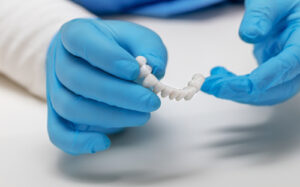
When a tooth has suffered severe damage—from decay, trauma, or massive fillings that compromise the structural integrity of the tooth—a dental crown is frequently advised. A crown might occasionally be used to preserve a tooth that has had root canal therapy. Furthermore, crowns are frequently used to anchor dental bridges or to replace lost teeth in conjunction with dental implants. Crowns are a highly successful solution for treating a variety of dental issues due to their adaptability.
Usually, obtaining a dental crown requires two trips to the dentist. The dentist will assess the damaged tooth and get it ready for the crown on the initial appointment. To guarantee that the crown fits correctly, any decayed or damaged tooth material must be removed, and the tooth must then be reshaped. The dentist might have to use filler material to strengthen the tooth if there isn’t enough remaining tooth structure to support the crown. After the tooth is prepped, an impression is made of it so that an exact bespoke crown may be made. While the permanent crown is being created, the tooth is covered with a temporary crown.
The temporary crown is taken out and the permanent crown is affixed during the second appointment. In order to make sure the crown fits and bites correctly with the neighboring teeth, the dentist will examine the crown. The crown becomes an indelible component of the patient’s mouth after it is firmly adhered to the tooth. Dental crowns are a long-lasting and aesthetically beautiful solution to a variety of dental issues when taken care of properly. They can last for many years.
Restoring a broken tooth’s appearance and functionality is one of the main advantages of dental crowns. Crowns provide a means for patients with badly worn, chipped, or broken teeth to preserve the remaining tooth structure while also enhancing the appearance of their smile. Contemporary crowns, especially porcelain or ceramic ones, are shaped and colored to closely mimic real teeth, which makes them the perfect option for visible teeth when smiling.
Dental crowns not only improve appearance but also give weak teeth structural support. Large fillings or teeth with significant decay may be more vulnerable to breaking or further deterioration in the absence of supplemental protection. Patients can steer clear of more severe dental issues including infections or the need for extractions by covering the damaged tooth with a crown.
The capacity of dental crowns to improve oral function is an additional benefit. Teeth that are broken or cracked can make chewing uncomfortable or cause the teeth to not line up correctly with the rest of the bite. A properly fitted crown can lessen discomfort or jaw pain brought on by a misaligned bite and assist restore normal chewing function. Furthermore, crowns are frequently utilized to finish dental implant procedures, giving patients a completely functional tooth replacement in place of their lost teeth.
Patients now have more options than ever before thanks to the advancements in dental crown materials over time. Since they seem natural, porcelain and ceramic crowns are a popular alternative for front teeth where aesthetics are very important. These materials are almost identical to genuine teeth since they are made to resemble the hue and translucency of natural enamel. For rear teeth, metal crowns or porcelain-fused-to-metal crowns may be suggested, as strength and longevity are more crucial. These crowns can bear the stresses of grinding and chewing because they have a high wear resistance.
The upkeep of a dental crown is analogous to that of natural teeth. Patients should maintain proper dental hygiene by seeing their dentist for cleanings and checkups on a regular basis, as well as by brushing and flossing twice a day. Although crowns are resistant to decay, cavities and gum disease can still affect the tooth beneath the crown. It’s also critical to break any bad behaviors that can harm the crown, such biting into ice or opening products with your teeth.
To sum up, dental crowns are a flexible and reliable way to fix broken teeth, safeguard compromised tooth structures, and enhance a patient’s smile in general. When taken care of appropriately, crowns—whether constructed of porcelain, ceramic, or metal—offer long-lasting advantages. Dental crowns offer a dependable means for patients with badly worn, damaged, or broken teeth to improve the appearance and functionality of their teeth, giving them the chance to smile more confidently and healthily.