Teeth whitening has become one of the most popular cosmetic dentistry procedures, offering individuals a chance to enhance their appearance with brighter, more radiant smiles. Over time, teeth naturally lose their whiteness due to aging, dietary habits, and lifestyle choices. Teeth whitening treatments provide an effective solution for reversing discoloration and restoring confidence. Whether performed professionally or at home, understanding the options, benefits, and potential risks of teeth whitening is essential for making informed decisions about your oral health.
Tooth discoloration often results from consuming staining substances like coffee, tea, red wine, and tobacco. Aging, certain medications, and poor oral hygiene can also contribute to yellowing or darkening teeth. While daily brushing and flossing help maintain oral health, they may not eliminate deep stains embedded in the enamel. This is where whitening treatments can make a difference.
Professional Teeth Whitening
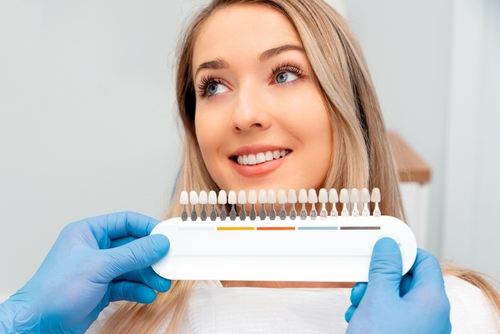
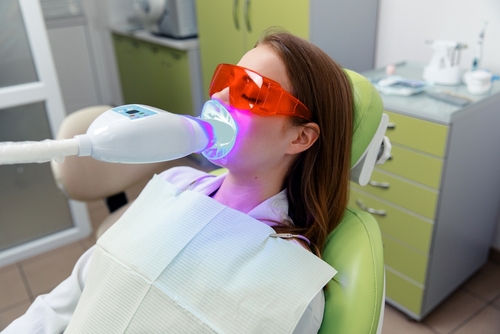
Professional teeth whitening, typically done at a dental office, is one of the fastest and most effective ways to achieve noticeable results. Dentists use high-concentration bleaching agents, such as hydrogen peroxide or carbamide peroxide, to break down stains. A protective gel or barrier is first applied to the gums to shield them from irritation. In some cases, a specialized light or laser activates the whitening agent, speeding up the process. Professional treatments can lighten teeth by several shades in just one session, making them an ideal choice for those seeking immediate results.
Custom-fitted trays for At-Home Whitening
For individuals who prefer the convenience of at-home whitening, custom-fitted trays provided by a dentist at Promenade Center for Dentistry offer a reliable solution. These trays ensure even application of the whitening gel to the teeth. Typically worn for a few hours each day or overnight, the treatment lasts one to two weeks, delivering professional-quality results over time.
Over-the-Counter Whitening Options
Over-the-counter products like whitening strips, toothpaste, gels, and rinses are more affordable alternatives. However, they often contain lower concentrations of active ingredients, leading to slower and less dramatic results. While suitable for mild surface stains, these options may not effectively address deeper discoloration.
Important Considerations
While teeth whitening is generally safe when used as directed, overuse can lead to tooth sensitivity or gum irritation. Individuals with dental issues such as cavities, gum disease, or enamel erosion should consult their dentist before beginning any whitening treatment to avoid complications. Pregnant or nursing women are also advised to delay whitening procedures as a precaution.
Maintaining Whitening Results
Lifestyle habits and oral hygiene significantly impact how long whitening results last. To maintain a bright smile, limit foods and drinks that stain teeth, brush and floss daily, and schedule regular dental cleanings. Using a straw for beverages like coffee or tea can minimize contact with teeth, reducing the risk of discoloration. Touch-up treatments may be necessary for individuals prone to staining.
Beyond Aesthetics
Teeth whitening enhances not only physical appearance but also self-confidence, leaving a lasting impression in personal and professional interactions. Bright, white smiles are often associated with health, youth, and vitality. However, it’s important to set realistic expectations. Whitening treatments can significantly improve tooth color but may not create uniform results, especially for individuals with natural stains or dental restorations like crowns or veneers, which are resistant to whitening agents.
Conclusion
Teeth whitening is a safe and effective way to enhance your smile’s natural beauty. With options ranging from professional in-office treatments to at-home solutions and over-the-counter products, there’s a method to suit every preference and budget. By understanding the process, maintaining good oral hygiene, and taking necessary precautions, you can enjoy a brighter, more confident smile for years to come. Consult your dentist to determine the best teeth-whitening option for your needs and achieve the results you desire.